-
·
Sign Up for Beginning Farmer Online Classes Starting the Week of February 27
Learn to take care of business, grow veggies and oyster mushrooms, extend your season with high tunnels, improve your marketing efforts, enhance your grazing practices, and start a beekeeping enterprise with our suite of online courses. Sign up by January 26 and save $25 on tuition! http://www.nebeginningfarmers.org/online-courses/annual-calendar-of-courses/ The Cornell Small Farms Program offers over twenty…
-
·
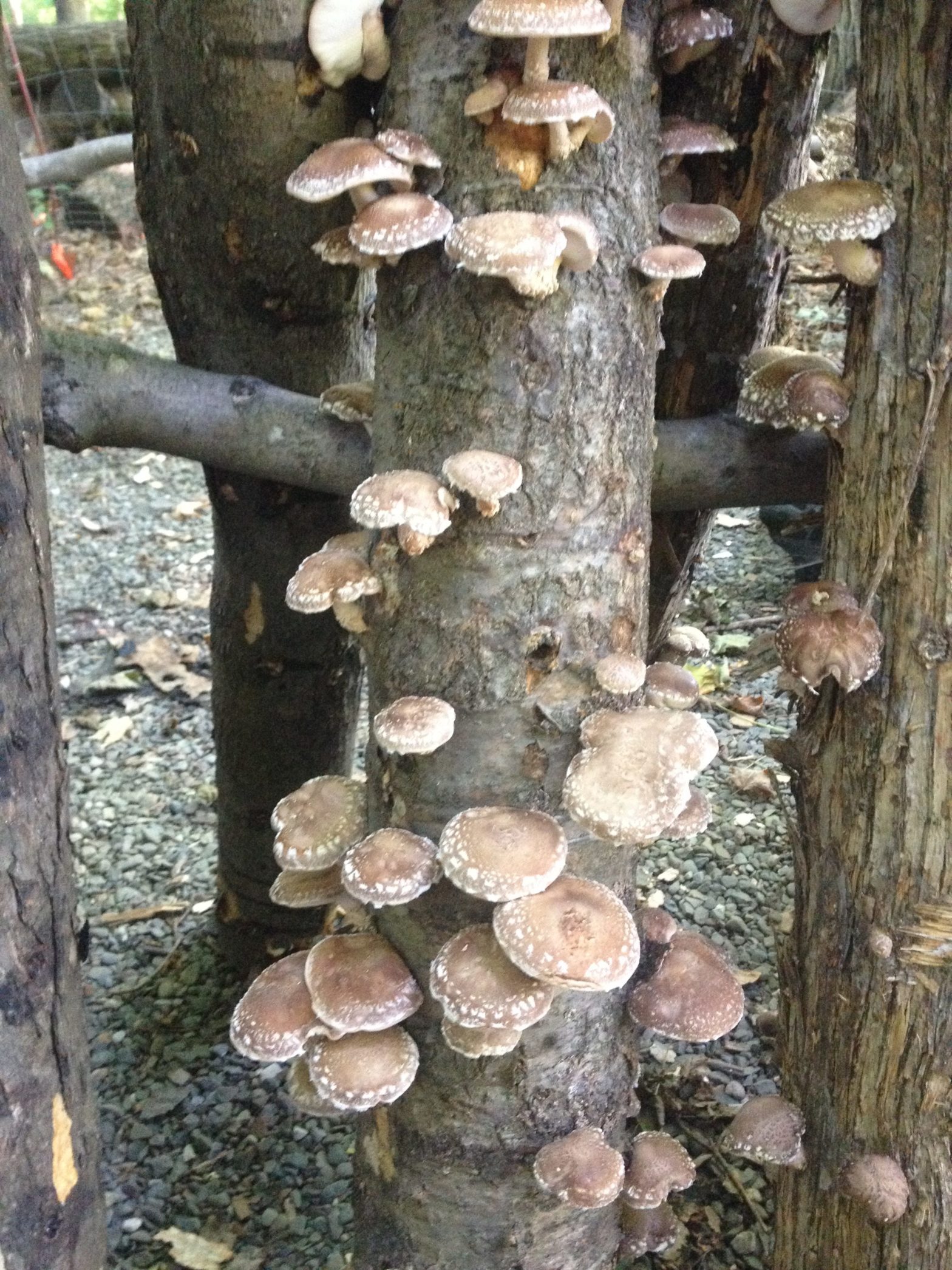
Veteran Trainings in Agroforestry in 2017
The Cornell Small Farms Program, with support from New York State and the USDA, announced three trainings in agroforestry in the winter and spring of 2017 to support veterans looking to get into agricultural production. Agroforestry includes farming practices that combine trees and forests with crop production. The three trainings focused on three of the…
-
·
Help your Soil Thrive in Hotter, Meaner Weather
Climate change is here. Is your soil ready? Carrie Koplinka-Loehr When Grant Gayman straddles the boundary line between his backyard and his neighbor’s cornfield in Waynesboro, Pennsylvania, one boot is on his own turf and the other rests a step down — a whole 12 inches lower — in the dirt. Fifty years ago, when…
-
·
Memorable Legacy or Major Obstacle In the Farmer’s Estate Plan?
Land offers both challenges and opportunities in transfer to the next generation. by John H. Lavelle, Attorney at Law One of the defining characteristics of farming is the presence of significant real property. This property is essential to the business, the family, and a way of life. In many ways, a farmer is exactly like…
-
·
Building Relationships with your Spanish-Speaking Workforce
by Mario Miranda Sazo Over the past five years, many New York fruit farm operations have undergone significant growth. Orchards that used to employ only a handful of people with low-skill horticultural talent now look for more help to meet this demand. Why does one fruit grower always have highly-efficient labor, while other similar farm operations do not? Why are some…
-
·
Mushrooms Are Fruiting in Philadelphia
One mushroom growing operation proves farming in the city is possible and profitable. by Molly R. Bucknum Most urban farmers have a tough time finding space to grow food. Location, high rent costs, and lack of infrastructure all make securing farmland in a city difficult. That’s why Tyler Case and Brian Versek of Philadelphia were…
-
·
Cornell Small Farms Update Winter 2017
From the Editor: Regardless of your social, political, and religious views, as a farmer you belong to agroup that is a small minority of the US workforce. And as we all know, farming isnot a job, but a lifestyle. When there is not a clock-in and clock-out time, and whenthe farm needs rise and fall…
-
·
Odor Is More Than a Nuisance
Affordable biofilters can keep your farmyard odor in check. by Jason P. Oliver The importance of good neighbor relations and the issue of odor Foul odors can lead to criticism of a livestock farm and impede the good neighbor relations that are essential to a sustainable production. Due to changes in farm practice and manure…
-
·
Managing Complexity: Breakdowns
by Claudia Kenny A farmer manages complexity such as unpredictability in biological systems, changing weather and climate patterns, and ever-changing economic systems. When multiple stressors pile up, relationships often break down. Break downs on farm can manifest in many different ways, from debt default to family or employee tension or conflicts. Our business and personal lives are…
-
·
Lessons from the Land: Tools (Assets & Liabilities)
by Groundswell Center for Local Food and Farming The Groundswell Center for Local Food & Farming and the Cornell Small Farms Program are teaming up to create a new column called Lessons from the Land, which captures and share the stories of and lessons learned from farmers, homesteaders and land workers around New York and…