

Project Lead: Connor Youngerman, Erica Frenay

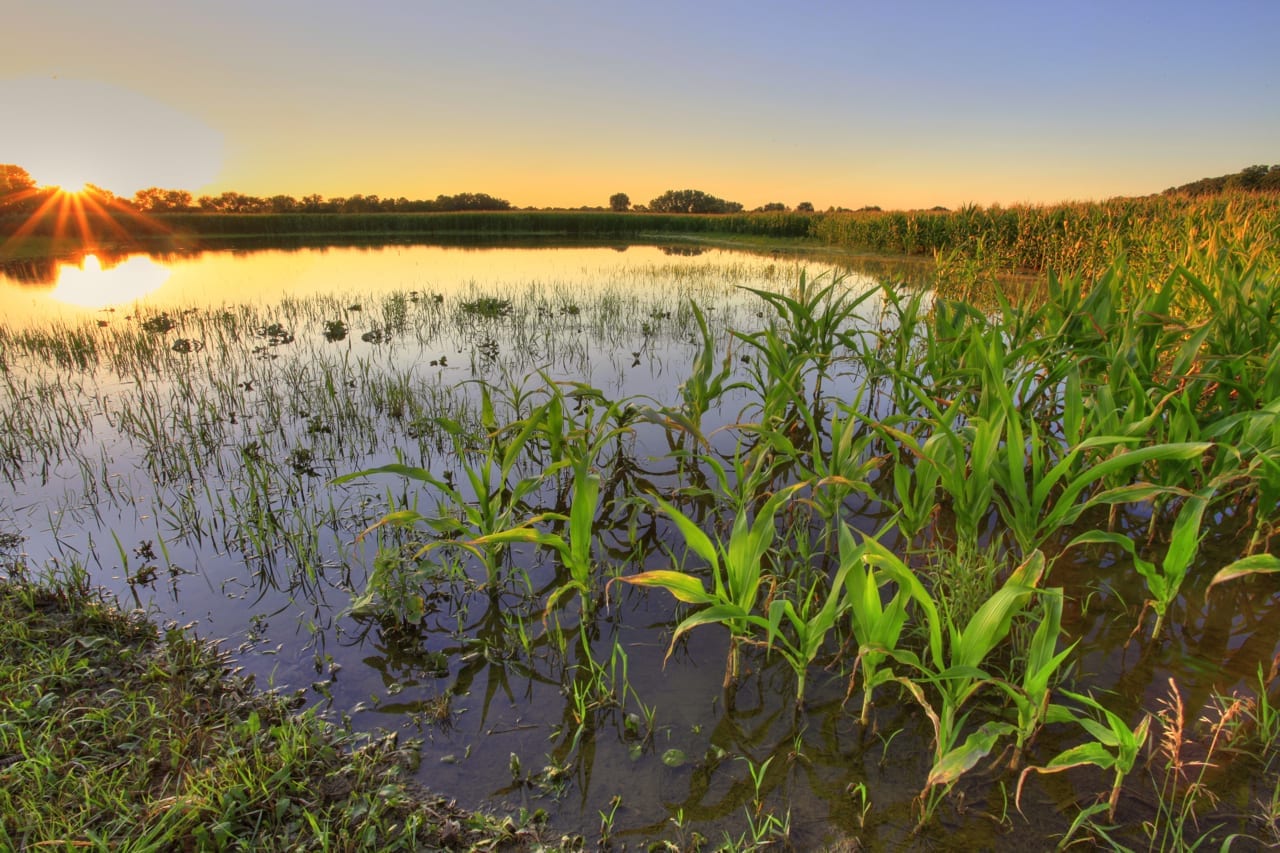
Extreme weather events are becoming more common, and have amplified the riskiness of farming. Strengthening farmers’ ability to continue feeding their communities even in the face of climate shocks requires a holistic approach to resiliency.
Our team provides training, research, technical assistance and information resources on current best practices to build climate resilience on small farms.
Our Resilience Strategies

Agroforestry: Best described as trees on farms on purpose, this wide range of practices integrates trees, forests, and agricultural production. Adding diversity to any ecological system, if done thoughtfully, increases the capacity of that ecosystem to yield abundance in the face of weather shocks. Learn more about forest farming, silvopasture, mushroom production, and woody plant propagation through our Agroforestry project, and other practices through the USDA National Agroforestry Center.

Futuro En Ag: The majority of the agricultural workforce in NYS hails from Latin American countries. The network- and capacity-building work we do with this audience builds resilience in its most holistic sense; from increasing social connection and business management skills to providing training and technical assistance on best practices for improving soil health. We’re also building a collection of resources in collaboration with producers, filling a need for educational materials related to agriculture in Spanish.

Reduced Tillage: We support small to mid-scale vegetable farmers, many using organic practices, in adopting reduced tillage practices on their farms. These practices can take many different forms. Our goal is to integrate reduced tillage with other soil-building practices, to foster the growth and viability of vegetable farming in New York and the Northeast. We work across different tools and practices, fit to the the scale and resources of the farm, and are learning from many innovative farmers leading the way.

Urban Ag: Urban farms can not only be commercially viable and economically self-sufficient small farm businesses, they also serve to build community cohesion, teach about food and farming, connect urban and rural producers, and generate fresh food for local eaters. Building a successful commercial urban farm requires careful consideration of unique issues created by farming in the urban environment.
Climate Resilience News and Updates
-
Small Farms Radio Shines a Spotlight on the Power of Trees
by
|
If you’re selling 25 million trees, New York State is looking to buy. In 2024, Governor Kathy Hochul began an ambitious reforestation goal, aiming to plant 25 million new trees in the state before 2033. While the effort has been supported by policymakers, conservationists, researchers, and agriculturalists, a key issue remained — what kind of…
-
Adapting to Become More Resilient to Climate Change
by
|
Because climate events will continue intensifying, developing and building resilience in our productive unit is important. Faced with different challenges and opportunities in a changing world with unexpected events, it is ideal to have as many tools as possible that will allow us to plan, respond, or identify how we can avoid them or reduce…
-
Brook Trout Hook for Cornell Climate Change Research and Extension Outreach
by
|
Brook trout are so adapted to their native environment of the cool, clean, fresh waters of the Adirondacks, they’re also incredibly sensitive to change. By CCE Staff In 1975, New York officially recognized the brook trout as the state fish. A favorite of anglers and a symbol of the pristine upstate wilderness, this species also…
-
Cornell-Inspired NY Soil Law Buoys Climate-Change Resilience
by
|
New laws, supported by Cornell Research, will help New York farmers adapt to the effects of climate change by implementing sustainable management practices on their farms. They will also expand current programs aimed at training farmers in these practices. When winter melts into the upcoming agricultural planting season, New York growers will get a boost…


Subscribe for Updates and Opportunities
Sign up for the Cornell Small Farms Program E-Newsletter and check “Climate Resilience” when completing the form. You’ll be sure to get updates and event announcements.
