

Project Lead: Connor Youngerman, Erica Frenay

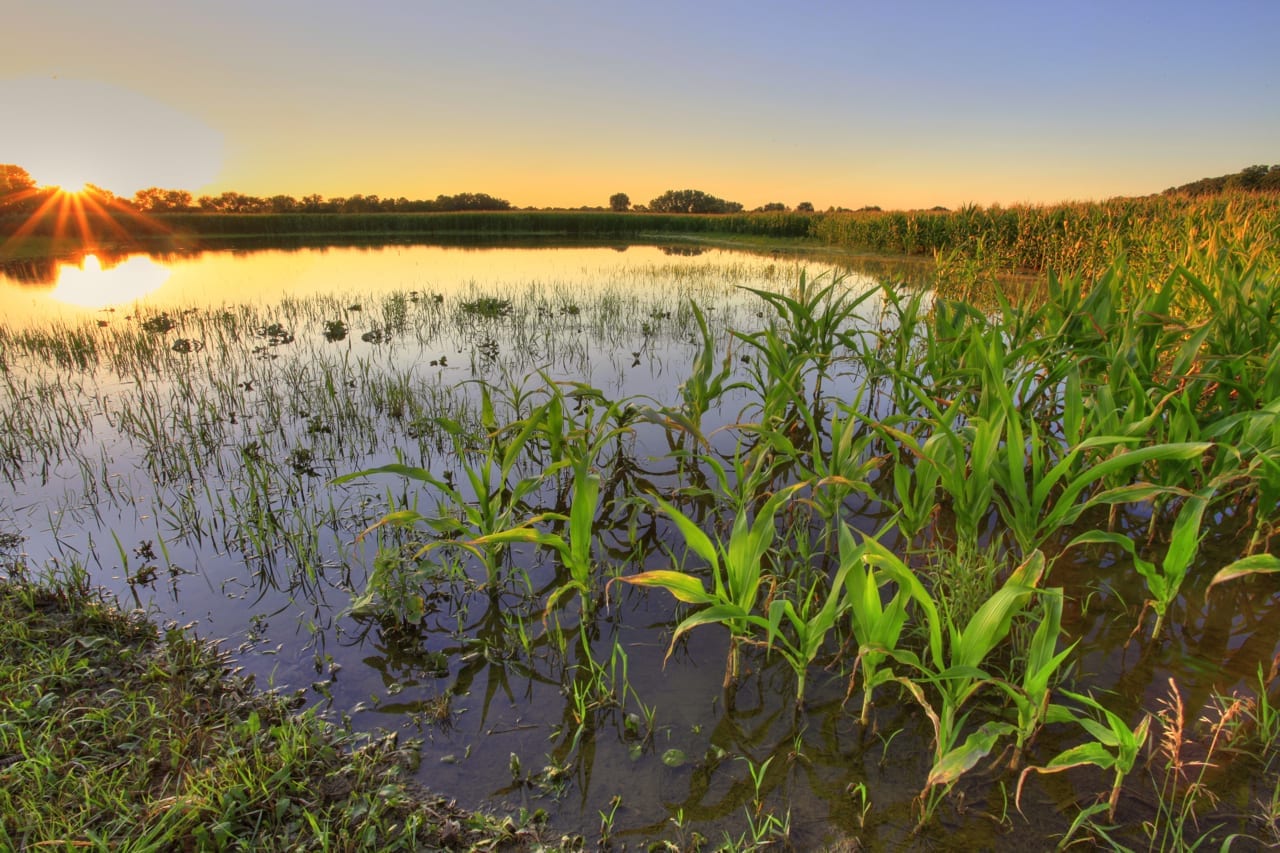
Extreme weather events are becoming more common, and have amplified the riskiness of farming. Strengthening farmers’ ability to continue feeding their communities even in the face of climate shocks requires a holistic approach to resiliency.
Our team provides training, research, technical assistance and information resources on current best practices to build climate resilience on small farms.
Our Resilience Strategies

Agroforestry: Best described as trees on farms on purpose, this wide range of practices integrates trees, forests, and agricultural production. Adding diversity to any ecological system, if done thoughtfully, increases the capacity of that ecosystem to yield abundance in the face of weather shocks. Learn more about forest farming, silvopasture, mushroom production, and woody plant propagation through our Agroforestry project, and other practices through the USDA National Agroforestry Center.

Futuro En Ag: The majority of the agricultural workforce in NYS hails from Latin American countries. The network- and capacity-building work we do with this audience builds resilience in its most holistic sense; from increasing social connection and business management skills to providing training and technical assistance on best practices for improving soil health. We’re also building a collection of resources in collaboration with producers, filling a need for educational materials related to agriculture in Spanish.

Reduced Tillage: We support small to mid-scale vegetable farmers, many using organic practices, in adopting reduced tillage practices on their farms. These practices can take many different forms. Our goal is to integrate reduced tillage with other soil-building practices, to foster the growth and viability of vegetable farming in New York and the Northeast. We work across different tools and practices, fit to the the scale and resources of the farm, and are learning from many innovative farmers leading the way.

Urban Ag: Urban farms can not only be commercially viable and economically self-sufficient small farm businesses, they also serve to build community cohesion, teach about food and farming, connect urban and rural producers, and generate fresh food for local eaters. Building a successful commercial urban farm requires careful consideration of unique issues created by farming in the urban environment.
Climate Resilience News and Updates
-
Electric Sheep: Grazing in Arrays Supports Economy, Climate
by
|
Sunlight is a precious resource in Central New York and a new collaboration between farmers and Cornell is looking at ways to harness it using technology that truly puts the soft in software: sheep. As industrial-sized solar installations pop up throughout New York state, residents fear the loss of agricultural land. Lexie Hain ’99 has…
-
Black Farmers Embrace Practices of Climate Resiliency
by
|
by Leah Penniman Chief Zogli looked weary as he scratched a notch in his doorpost to record the weather. “Still no rain,” he says with resignation. The chickens pecked lazily in the dust and the goats foraged for the last of the dropped grains. In this rural community outside of Odumase-Krobo, Ghana, the farmers depend…
-
No-till in Practice: Four Years’ Experience at Lovin’ Mama Farm
by
|
By Richard Robinson When Corinne Hansch and her family were ready to start a new farm in upstate New York, they were also ready to try a new approach to farming. They arrived with five years of tillage farming under their belts, on four acres in Mendocino County, in California, but they had learned the…
-
Green Practices Can Negate Climate Emissions on New York Farms
by
|
New York agriculture has the capacity to mitigate its own greenhouse gas emissions, two Cornell researchers say in a state-funded report commissioned by the New York State Department of Agriculture and Markets. The 65-page report “New York Agriculture and Climate Change: Key Opportunities for Mitigation, Resilience, and Adaptation” provides a scientific assessment of opportunities and…
-
This Soil Bacteria Could Help Fight Climate Change
by
|
A new species of soil bacteria, discovered by Cornell University researchers, is particularly adept at breaking down organic matter, including the carcinogenic chemicals that are released from the burning of fossil fuels. This property means it could help clean up contaminated soils, as well as serve as a key player in the soil carbon cycle. …


Subscribe for Updates and Opportunities
Sign up for the Cornell Small Farms Program E-Newsletter and check “Climate Resilience” when completing the form. You’ll be sure to get updates and event announcements.
