
Project Lead: Connor Youngerman, Tracey Testo
Give Trees a Chance
Agroforestry describes a wide range of practices that integrate trees, forests, and agricultural production. These systems can be adapted to almost any site and condition, and can help farmers produce new revenue while buffering their operations from the challenges of climate extremes.
In response to increasing interest in agroforestry over the years, Cornell has created an extension program work team and a number of tools and resources to help farmers turn forested and marginal lands into productive contributors to farm revenue, produce multiple crops from the same piece of land in a symbiotic way, all while increasing biodiversity and improving soil health.

History of Agroforestry at Cornell
Cornell University faculty, Extension, and other staff have been leading agroforestry research and education efforts for 100 years!
Agroforestry Resources by Practice

Events
Events
-
-
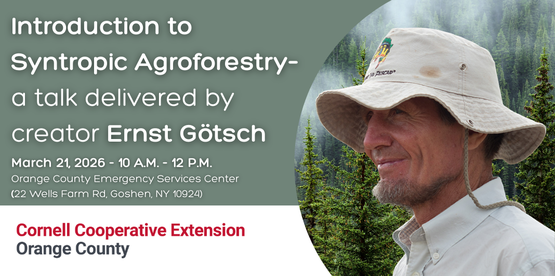
Introduction to Syntropic Agroforestry
CCE Orange County & Hudson Valley Farm Hub are proud to present a talk on Syntropic Agroforestry, delivered by the system's creator, Ernst Götsch. Syntropic Agroforestry is an agricultural system…
$20 -
-
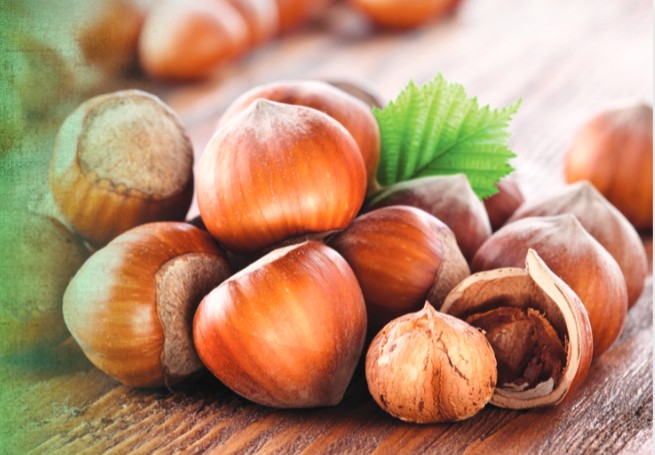
Spring Hazelnut Workshop at Dilmun Hill Student Farm
Dilmun Hill Farm 705 Dryden Rd, Ithaca, United StatesThe Cornell Small Farms Program Agroforestry team is pleased to announce the first of two comprehensive hazelnut production workshops. Join Brian Caldwell (Hemlock Grove Farm) and Jonathan Bates (Agroforestry Educator,…
Free -

New York Nut Growers Association 2026 Spring Meeting
Danby Volunteer Fire Company 1780 Danby Rd., Ithaca, NY, United StatesStay up to date with nut growing in New York and meet experienced growers! All are welcome to register to attend the New York Nut Growers Association 2026 Spring Meeting on…
$25 -
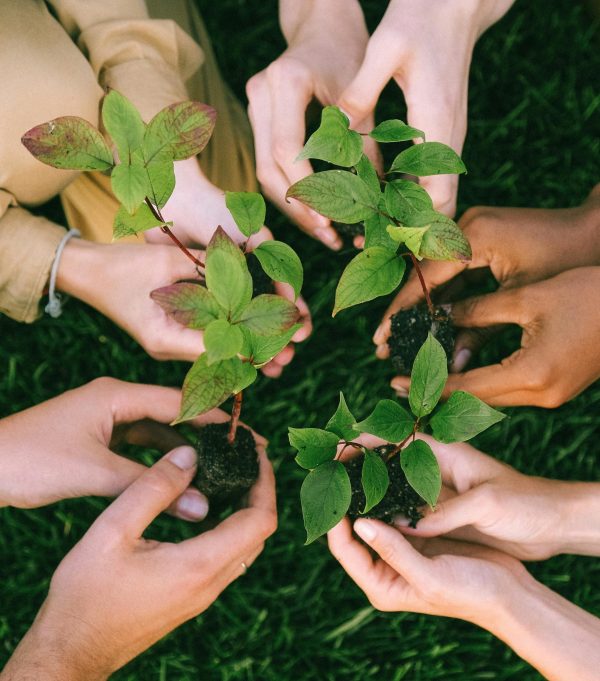
Air Pruned Raised Beds 101
The Sherman Creek Center 3725 10th Ave., New York, NY, United StatesJoin Connor Youngerman of Cornell Small Farms and NYRP’s Parks & Urban Agriculture teams for an introduction to Air Pruned Raised Beds (APRBs) from construction to implementation. APRBs have been shown as an excellent method for growing a suite of urban tree species and hold great promise as a tool for forestry practitioners in NYC.…
Free -
-
Introduction to Air Pruned Raised Beds (APRBs)
Smiling Hogshead Ranch 25-30 Skillman Ave, Long Island City, NY, United StatesJoin Connor Youngerman of Cornell Small Farms and the team at Smiling Hogshead Ranch for a hands-on, train-the-trainer workshop introducing Air Pruned Raised Beds (APRBs) from construction to implementation. Designed…
Free -

Air Pruned Raised Beds for Tree Seedling Production – Allegany County
Wild Geese Farm 8499 Agett Rd, Franklinville, United StatesCornell Cooperative Extension Allegany County in conjunction with the Cornell Small Farms Program will be offering a hands-on workshop on Air Pruned Raised Beds (APRBs). The workshop, hosted at Wild…
Free
Collaborators
-
The Cornell Agroforestry Program Work Team (PWT) is co-chaired by:
Graham Savio, gs695@cornell.edu, Cornell Cooperative Extension Tompkins County
-
Connor Youngerman, czy2@cornell.edu, Cornell Small Farms Program
-
Tracey Testo, tet35@cornell.edu, Agroforestry Resource Center, Cornell Cooperative Extension Columbia-Greene

News and Updates
You don’t need to lease your land to feel the impacts of industrialized gas drilling, which is now happening over much of New York and Pennsylvania. Just ask John…
The outlook for widespread natural gas development in New York is still unclear as policy makers and other stakeholders continue to debate the risks and benefits. But what is certain…
People vary greatly with regards to their preferences for “wildlife”, usually based on their personal experience and interests. For some people, white-tailed deer personify their interest in wildlife. For others,…
Cornell Agroforestry - Subscribe for Updates and Opportunities
This list-serve provides information and resources to connect small and mid-sized farmers to larger markets such as food hubs, grocery stores, restaurants, online marketplaces and cooperatives. Farmers, educators and prospective buyers are all welcome:

